Buy broadcasts.eu ?
We are moving the project
broadcasts.eu .
Are you interested in purchasing the domain
broadcasts.eu ?
domain@kv-gmbh.de · 0541-91531010
Buy broadcasts.eu ?
What are the differences between covalent bonds, metallic bonds, and ionic bonds?
Covalent bonds are formed when two atoms share electrons, resulting in a strong bond between the atoms. Metallic bonds occur between metal atoms, where the electrons are delocalized and free to move throughout the structure, creating a strong bond. Ionic bonds are formed between a metal and a nonmetal, where one atom transfers electrons to the other, resulting in the formation of positively and negatively charged ions that are attracted to each other. Overall, covalent bonds involve electron sharing, metallic bonds involve electron delocalization, and ionic bonds involve electron transfer. **
Do CO bonds form with other CO bonds?
No, CO bonds do not typically form with other CO bonds. Carbon monoxide (CO) is a stable molecule with a triple bond between the carbon and oxygen atoms. This triple bond is strong and does not readily form additional bonds with other CO molecules. Instead, CO molecules tend to interact with other types of molecules through various types of chemical reactions. **

Similar search terms for Bonds
Top-Angebote
Products related to Bonds:
-
GoPro HERO10 Black – Waterproof Action Camera, 5.3K60 Video, 23MP Photos, Front LCD & Rear Touch Screen, 1080p Live Streaming, Stabilization, Used - Very GoodCapture every thrilling moment in razor-sharp clarity with the GoPro HERO10 Black – Waterproof Action Camera . Designed for adventurers, athletes, vloggers, and creators, this powerhouse features a blazing-fast GP2 processor that delivers double the performance for incredibly smooth 5.3K60 video and 23MP photos. Whether you're diving underwater, racing down mountain trails, or streaming your adventures live, the HERO10 Black ensures pro-level quality in every frame. With advanced stabilization, dual screens, and rugged waterproof design, it's the ultimate action camera built to perform in any environment. ✅ ( 5.3K60 Ultra HD Video ) – Record at an incredible 5.3K resolution at 60fps for breathtaking detail and smooth motion. ✅ ( 23MP High-Resolution Photos ) – Snap stunningly sharp images with lifelike color and clarity. ✅ ( GP2 Processor ) – Experience lightning-fast performance, improved touch responsiveness, and next-gen image quality. ✅ ( HyperSmooth 4.0 Stabilization ) – Achieve ultra-smooth video in any activity, even in rough terrain or high motion. ✅ ( Waterproof up to 33ft (10m ) – Dive in confidently without the need for an external case. ✅ ( Front LCD & Rear Touch Screen ) – Frame your shots perfectly with the front display and easily navigate settings with the responsive touch screen. ✅ ( 1080p Live Streaming ) – Go live in Full HD quality and share your adventures in real-time. ✅ ( TimeWarp 3.0 & Slow Motion ) – Create dynamic time-lapses and dramatic slow-motion clips with ease. ✅ ( Cloud Connected ) – Automatically upload footage to the cloud when charging for effortless backup. ✅ ( Built-in Mounting & Rugged Design ) – Instantly mount your camera anywhere with built-in folding fingers and a tough, durable body. The GoPro HERO10 Black is built for creators who never want to miss a moment, whether you're chasing waves, scaling peaks, or capturing everyday adventures. With top-tier video quality, unbeatable stabilization, and real-time streaming, it's the go-anywhere, do-anything camera that keeps up with your lifestyle. Upgrade your content with the best-in-class action camera that professionals trust.224,99 £*Shipping: 0,00 £Secure redirect to the provider
-
Inspired Deals Chin Fill Light LED Live Streaming Light For Jawline And Neck Enhancement Chin Fill Light LED Live Streaming Light For Jawline And Neck EnhancementLook your best on every stream, video call, or content shoot with this Chin Fill Light designed to create a smoother, more flattering appearance. Perfect for creators, influencers, beauty enthusiasts, and remote professionals, it delivers soft, even...44,97 $*Shipping: 0,00 $Secure redirect to the provider
-
Uplift Essentials Smart HD Camera Automatic Pet Feeder With Video & Audio Smart HD Camera Automatic Pet Feeder With Video & AudioStay connected to your pets wellbeing and maintain a consistent feeding schedule with the ultimate in smart home pet technology. This automatic cat feeder with camera bridge the gap between you and your pet, offering a highdefinition video feed and...368,97 $*Shipping: 0,00 $Secure redirect to the provider
-
DEVERA Modern Audio Video Media Stand with Adjustable ShelvesSpecification Product Name: Modern Audio Video Media Stand with Adjustable Shelves Main Material: MDF Product Dimensions Assembled Length (in.): 21.30 Assembled Width (in.): 15.80 Assembled Height (in.): 35.80 Weight (lbs259,99 $*Shipping: 0,00 $Secure redirect to the provider




-
Why are intermolecular bonds weaker than electron pair bonds?
Intermolecular bonds are weaker than electron pair bonds because they involve interactions between molecules rather than within a single molecule. In intermolecular bonds, the attractive forces between molecules are generally weaker than the covalent bonds that hold atoms together within a molecule. Additionally, intermolecular bonds are typically temporary and can be easily broken, whereas electron pair bonds are strong and stable. Overall, the weaker nature of intermolecular bonds allows molecules to move and interact with each other more freely. **
-
Why are intermolecular bonds generally weaker than covalent bonds?
Intermolecular bonds are generally weaker than covalent bonds because they involve interactions between molecules rather than within a single molecule. Covalent bonds involve the sharing of electrons between atoms, creating strong bonds within a molecule. In contrast, intermolecular bonds, such as hydrogen bonds or van der Waals forces, are weaker because they are based on temporary interactions between molecules, which can be easily broken. Additionally, intermolecular bonds are influenced by factors such as distance and orientation, further contributing to their weaker nature compared to covalent bonds. **
-
Why are intermolecular bonds typically weaker than covalent bonds?
Intermolecular bonds are typically weaker than covalent bonds because they involve interactions between molecules rather than within a single molecule. In intermolecular bonds, the attractive forces between molecules, such as van der Waals forces or hydrogen bonding, are weaker than the strong sharing of electrons in covalent bonds. Additionally, intermolecular bonds are more easily broken or disrupted by changes in temperature or pressure, leading to lower bond energies compared to covalent bonds. **
-
Why are intermolecular bonds typically weaker than electron pair bonds?
Intermolecular bonds are typically weaker than electron pair bonds because they involve interactions between molecules rather than within a single molecule. In intermolecular bonds, the attractive forces between molecules are generally weaker than the covalent bonds that hold atoms together within a molecule. Additionally, intermolecular bonds are usually based on weaker forces such as van der Waals forces, hydrogen bonding, or dipole-dipole interactions, which are not as strong as the sharing or transfer of electrons in covalent or ionic bonds. **

Why are intermolecular bonds generally weaker than electron pair bonds?
Intermolecular bonds are generally weaker than electron pair bonds because they involve interactions between molecules, which are larger and less localized than the interactions between atoms in a covalent bond. In intermolecular bonds, the attractive forces are typically weaker due to the larger distance between molecules and the lack of direct sharing of electrons. In contrast, electron pair bonds involve the sharing of electrons between atoms, leading to stronger and more localized bonding interactions. **
Why are polar bonds lower in energy than nonpolar bonds?
Polar bonds are lower in energy than nonpolar bonds because they involve the unequal sharing of electrons between two atoms with different electronegativities. This unequal sharing creates a dipole moment, which results in an attractive force between the partially positive and partially negative ends of the molecule. This electrostatic attraction lowers the overall energy of the molecule compared to nonpolar bonds, where electrons are shared equally. As a result, polar bonds are typically stronger and more stable than nonpolar bonds. **
Top-Angebote
Products related to Bonds:
-
Inspired Finds Eternal Bonds Personalized Acrylic Photo Frame & Custom Couple Plaque Gift warm LightCapture Your Timeless Connection. Turn your most meaningful moments into a lasting keepsake with this elegant personalized acrylic photo frame. Designed specifically for couples who value memories that matter, this sleek, transparent display piece...110,99 $*Shipping: 0,00 $Secure redirect to the provider
-
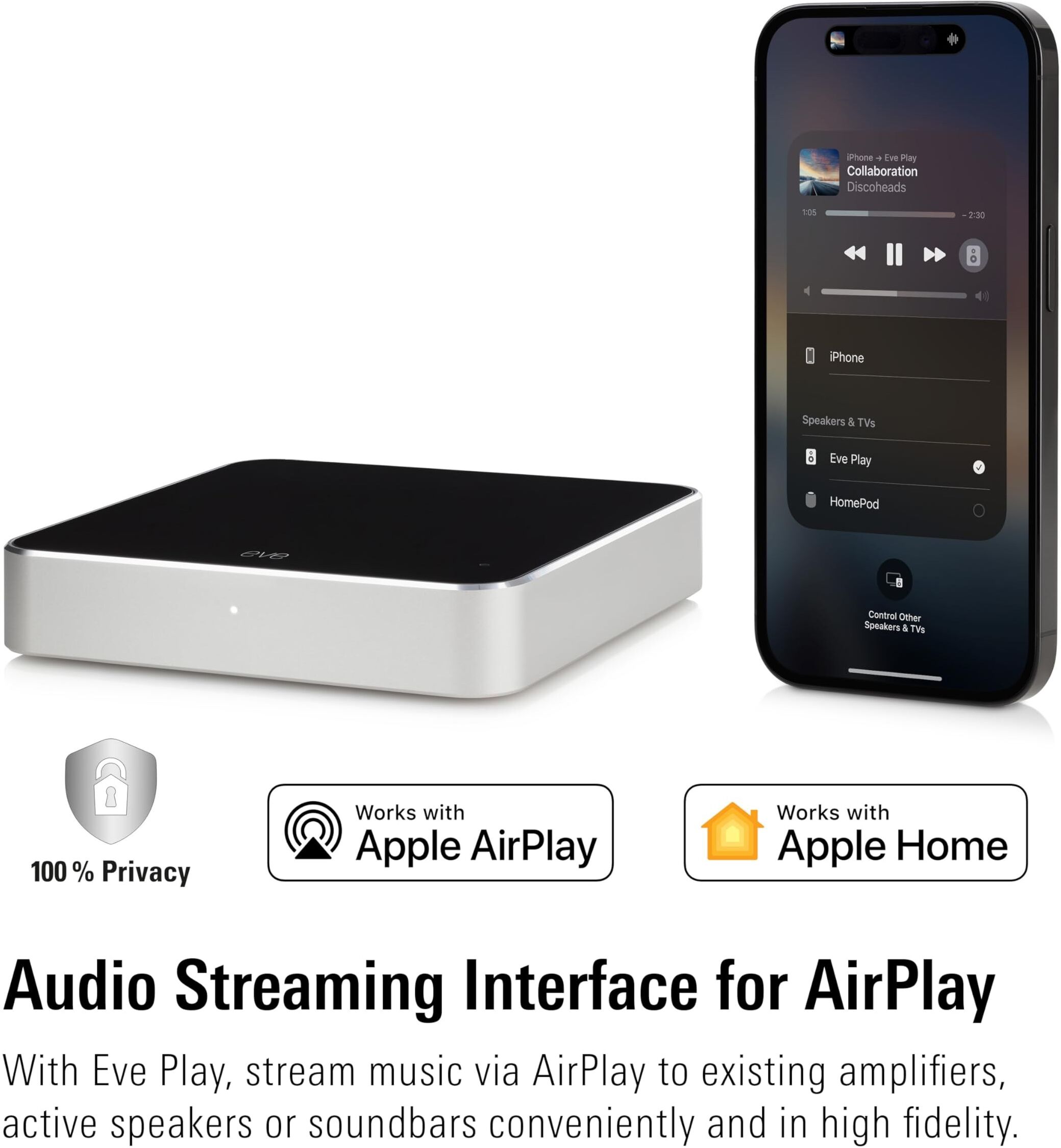
Eve Play (Apple Home) – Audio Streaming Interface for AirPlayStream your music to existing amplifiers, powered speakers or soundbars with AirPlay and make your favorite Hi-Fi components smart. Synchronous multi-room playback: Audio Sync allows the system to play simultaneously with other AirPlay devices without speaker delay. Powerful digital-to-analog converter with 112 dB signal-to-noise ratio for a high-end audiophile sound experience. Flexible analog or digital connectivity: Connect your Hi-Fi components with the included RCA cable or digitally via optical and coaxial connections. Integrated Ethernet port for highly stable streaming quality143,49 £*Shipping: 0,00 £Secure redirect to the provider
-
GoPro HERO10 Black – Waterproof Action Camera, 5.3K60 Video, 23MP Photos, Front LCD & Rear Touch Screen, 1080p Live Streaming, Stabilization, Used - Very GoodCapture every thrilling moment in razor-sharp clarity with the GoPro HERO10 Black – Waterproof Action Camera . Designed for adventurers, athletes, vloggers, and creators, this powerhouse features a blazing-fast GP2 processor that delivers double the performance for incredibly smooth 5.3K60 video and 23MP photos. Whether you're diving underwater, racing down mountain trails, or streaming your adventures live, the HERO10 Black ensures pro-level quality in every frame. With advanced stabilization, dual screens, and rugged waterproof design, it's the ultimate action camera built to perform in any environment. ✅ ( 5.3K60 Ultra HD Video ) – Record at an incredible 5.3K resolution at 60fps for breathtaking detail and smooth motion. ✅ ( 23MP High-Resolution Photos ) – Snap stunningly sharp images with lifelike color and clarity. ✅ ( GP2 Processor ) – Experience lightning-fast performance, improved touch responsiveness, and next-gen image quality. ✅ ( HyperSmooth 4.0 Stabilization ) – Achieve ultra-smooth video in any activity, even in rough terrain or high motion. ✅ ( Waterproof up to 33ft (10m ) – Dive in confidently without the need for an external case. ✅ ( Front LCD & Rear Touch Screen ) – Frame your shots perfectly with the front display and easily navigate settings with the responsive touch screen. ✅ ( 1080p Live Streaming ) – Go live in Full HD quality and share your adventures in real-time. ✅ ( TimeWarp 3.0 & Slow Motion ) – Create dynamic time-lapses and dramatic slow-motion clips with ease. ✅ ( Cloud Connected ) – Automatically upload footage to the cloud when charging for effortless backup. ✅ ( Built-in Mounting & Rugged Design ) – Instantly mount your camera anywhere with built-in folding fingers and a tough, durable body. The GoPro HERO10 Black is built for creators who never want to miss a moment, whether you're chasing waves, scaling peaks, or capturing everyday adventures. With top-tier video quality, unbeatable stabilization, and real-time streaming, it's the go-anywhere, do-anything camera that keeps up with your lifestyle. Upgrade your content with the best-in-class action camera that professionals trust.224,99 £*Shipping: 0,00 £Secure redirect to the provider
-
Inspired Deals Chin Fill Light LED Live Streaming Light For Jawline And Neck Enhancement Chin Fill Light LED Live Streaming Light For Jawline And Neck EnhancementLook your best on every stream, video call, or content shoot with this Chin Fill Light designed to create a smoother, more flattering appearance. Perfect for creators, influencers, beauty enthusiasts, and remote professionals, it delivers soft, even...44,97 $*Shipping: 0,00 $Secure redirect to the provider
-
What are the differences between covalent bonds, metallic bonds, and ionic bonds?
Covalent bonds are formed when two atoms share electrons, resulting in a strong bond between the atoms. Metallic bonds occur between metal atoms, where the electrons are delocalized and free to move throughout the structure, creating a strong bond. Ionic bonds are formed between a metal and a nonmetal, where one atom transfers electrons to the other, resulting in the formation of positively and negatively charged ions that are attracted to each other. Overall, covalent bonds involve electron sharing, metallic bonds involve electron delocalization, and ionic bonds involve electron transfer. **
-
Do CO bonds form with other CO bonds?
No, CO bonds do not typically form with other CO bonds. Carbon monoxide (CO) is a stable molecule with a triple bond between the carbon and oxygen atoms. This triple bond is strong and does not readily form additional bonds with other CO molecules. Instead, CO molecules tend to interact with other types of molecules through various types of chemical reactions. **
-
Why are intermolecular bonds weaker than electron pair bonds?
Intermolecular bonds are weaker than electron pair bonds because they involve interactions between molecules rather than within a single molecule. In intermolecular bonds, the attractive forces between molecules are generally weaker than the covalent bonds that hold atoms together within a molecule. Additionally, intermolecular bonds are typically temporary and can be easily broken, whereas electron pair bonds are strong and stable. Overall, the weaker nature of intermolecular bonds allows molecules to move and interact with each other more freely. **
-
Why are intermolecular bonds generally weaker than covalent bonds?
Intermolecular bonds are generally weaker than covalent bonds because they involve interactions between molecules rather than within a single molecule. Covalent bonds involve the sharing of electrons between atoms, creating strong bonds within a molecule. In contrast, intermolecular bonds, such as hydrogen bonds or van der Waals forces, are weaker because they are based on temporary interactions between molecules, which can be easily broken. Additionally, intermolecular bonds are influenced by factors such as distance and orientation, further contributing to their weaker nature compared to covalent bonds. **
Similar search terms for Bonds
-
Uplift Essentials Smart HD Camera Automatic Pet Feeder With Video & Audio Smart HD Camera Automatic Pet Feeder With Video & AudioStay connected to your pets wellbeing and maintain a consistent feeding schedule with the ultimate in smart home pet technology. This automatic cat feeder with camera bridge the gap between you and your pet, offering a highdefinition video feed and...368,97 $*Shipping: 0,00 $Secure redirect to the provider
-
DEVERA Modern Audio Video Media Stand with Adjustable ShelvesSpecification Product Name: Modern Audio Video Media Stand with Adjustable Shelves Main Material: MDF Product Dimensions Assembled Length (in.): 21.30 Assembled Width (in.): 15.80 Assembled Height (in.): 35.80 Weight (lbs259,99 $*Shipping: 0,00 $Secure redirect to the provider
-
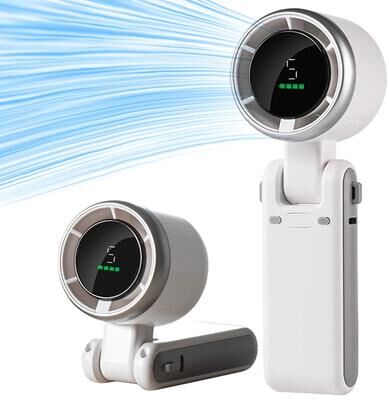
Uplifted Trends Desk Fan With Phone Holder Quiet Cooling & Hands Free Video Streaming whiteTired of juggling a overheated phone and a cluttered workspace while watching videos or working late Stay cool and connected with our innovative desk fan with phone holder, designed specifically for multitaskers, streamers, and remote workers who...39,97 $*Shipping: 0,00 $Secure redirect to the provider
-
Inspired Finds Eternal Bonds Personalized Acrylic Photo Frame & Custom Couple Plaque Gift 7 Colors LightCapture Your Timeless Connection. Turn your most meaningful moments into a lasting keepsake with this elegant personalized acrylic photo frame. Designed specifically for couples who value memories that matter, this sleek, transparent display piece...116,99 $*Shipping: 0,00 $Secure redirect to the provider
-
Why are intermolecular bonds typically weaker than covalent bonds?
Intermolecular bonds are typically weaker than covalent bonds because they involve interactions between molecules rather than within a single molecule. In intermolecular bonds, the attractive forces between molecules, such as van der Waals forces or hydrogen bonding, are weaker than the strong sharing of electrons in covalent bonds. Additionally, intermolecular bonds are more easily broken or disrupted by changes in temperature or pressure, leading to lower bond energies compared to covalent bonds. **
-
Why are intermolecular bonds typically weaker than electron pair bonds?
Intermolecular bonds are typically weaker than electron pair bonds because they involve interactions between molecules rather than within a single molecule. In intermolecular bonds, the attractive forces between molecules are generally weaker than the covalent bonds that hold atoms together within a molecule. Additionally, intermolecular bonds are usually based on weaker forces such as van der Waals forces, hydrogen bonding, or dipole-dipole interactions, which are not as strong as the sharing or transfer of electrons in covalent or ionic bonds. **
-
Why are intermolecular bonds generally weaker than electron pair bonds?
Intermolecular bonds are generally weaker than electron pair bonds because they involve interactions between molecules, which are larger and less localized than the interactions between atoms in a covalent bond. In intermolecular bonds, the attractive forces are typically weaker due to the larger distance between molecules and the lack of direct sharing of electrons. In contrast, electron pair bonds involve the sharing of electrons between atoms, leading to stronger and more localized bonding interactions. **
-
Why are polar bonds lower in energy than nonpolar bonds?
Polar bonds are lower in energy than nonpolar bonds because they involve the unequal sharing of electrons between two atoms with different electronegativities. This unequal sharing creates a dipole moment, which results in an attractive force between the partially positive and partially negative ends of the molecule. This electrostatic attraction lowers the overall energy of the molecule compared to nonpolar bonds, where electrons are shared equally. As a result, polar bonds are typically stronger and more stable than nonpolar bonds. **
* All prices are inclusive of VAT and, if applicable, plus shipping costs. The offer information is based on the details provided by the respective shop and is updated through automated processes. Real-time updates do not occur, so deviations can occur in individual cases. ** Note: Parts of this content were created by AI.